- Flexible monthly rates starting around $500
- Access to coworking spaces and networking opportunities
- Visa options for remote workers (E33G) available
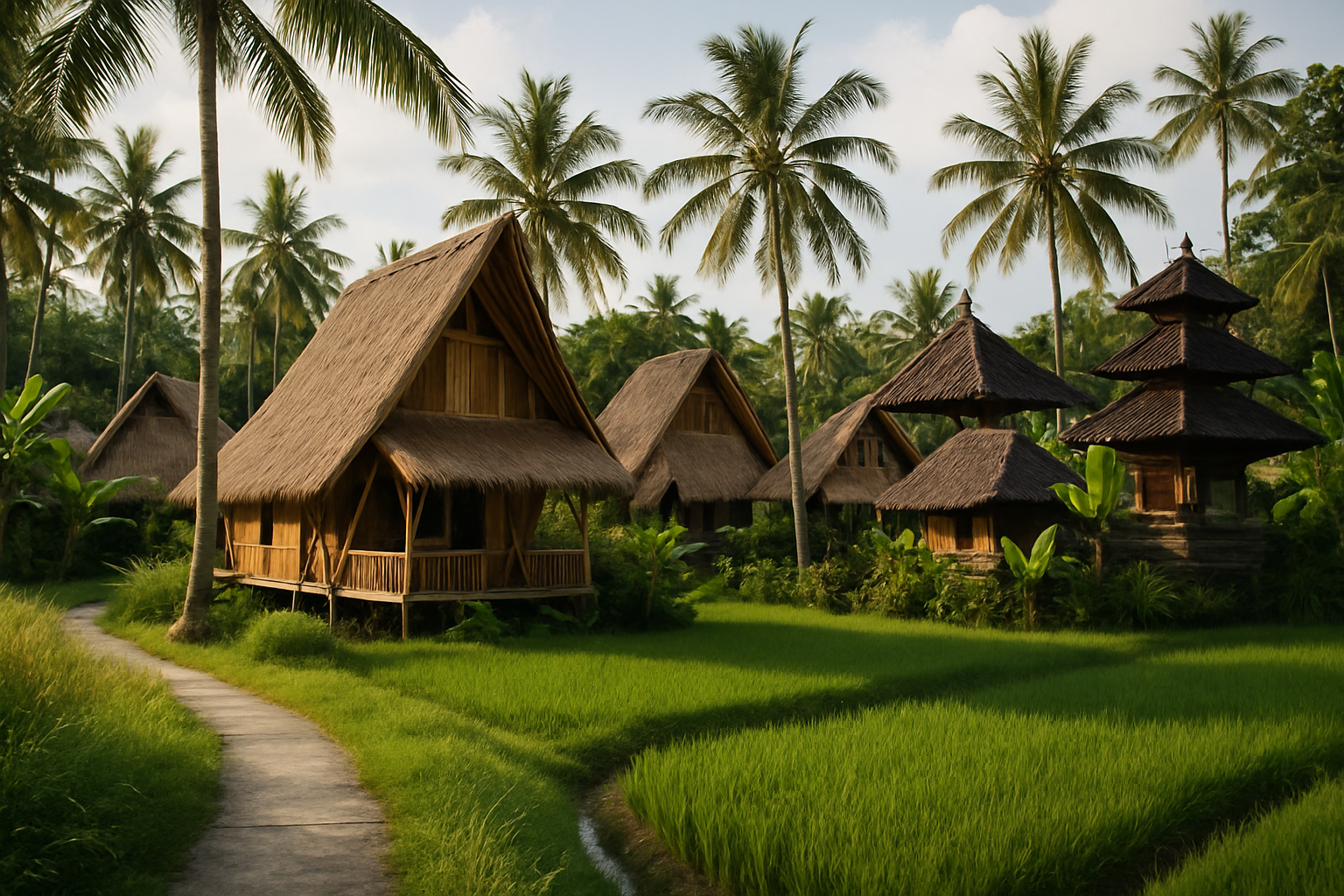
The sun casts a golden hue over Bali’s vibrant landscapes, a siren call for remote workers and digital nomads. Here, in Canggu, Ubud, and Uluwatu, the concept of co-living has blossomed into a sanctuary for creativity and productivity.
Understanding Bali Nomad Villages
Bali Nomad Villages are more than just places to stay; they are thriving ecosystems where like-minded individuals converge. Typically located in areas such as Canggu, Ubud, and Uluwatu, these villages provide essential amenities tailored for remote work. Most spaces offer high-speed internet, shared workspaces, and recreational facilities, creating an environment conducive to both work and relaxation.
The average cost for a month’s stay in a Bali Nomad Village ranges from $500 to $1,500, depending on the chosen amenities and location. For example, Ubud tends to be on the higher end due to its serene environment and cultural attractions.
Additionally, regulations surrounding these villages have evolved. The Indonesian government recognizes the rising trend of digital nomadism, leading to the introduction of the E33G visa, specifically designed for remote workers. This visa allows individuals to stay in Indonesia for up to 6 months while working remotely, a significant shift from previous restrictions.
Canggu: The Epicenter of Digital Nomadism
Canggu has established itself as the go-to destination for digital nomads. With its eclectic mix of beach clubs, cafes, and co-working spaces, the area attracts a diverse crowd of creatives and entrepreneurs. The proximity to the ocean provides a backdrop for surfing, yoga, and networking events, making it a conducive environment for both work and leisure.
Several co-living spaces in Canggu, such as The Slow and Dojo Bali, offer flexible contracts and vibrant communities. Monthly rates here typically start at around $600, which includes high-speed internet, communal kitchens, and access to coworking spaces.
Networking is a significant aspect of living in Canggu. Regular meetups and workshops are organized, fostering collaborations among residents. According to a 2022 survey by Nomad List, Canggu ranks as one of the top destinations for digital nomads, reflecting its growing popularity and supportive community.
Ubud: A Hub for Wellness and Creativity
Ubud, known for its lush rice fields and artistic vibe, offers a different experience for digital nomads. It serves as a haven for those seeking inspiration and a balanced lifestyle. The area is dotted with co-living spaces like Outpost and Selina, which emphasize wellness alongside productivity.
Monthly rates in Ubud can range from $500 to $1,200. These spaces often include wellness programs, such as yoga classes and meditation sessions, aimed at enhancing both mental and physical health.
The community aspect is strong in Ubud. Many co-living facilities host events, skill-sharing workshops, and creative sessions, creating a collaborative environment. By engaging in these activities, residents can easily network and forge meaningful connections, enhancing both their professional and personal lives.
Uluwatu: Surf, Sun, and Community
Uluwatu is celebrated for its dramatic cliffs and world-class surf breaks. This area attracts a more laid-back crowd of digital nomads who wish to balance work with adventure. Co-living spaces such as The Cashew Tree and The Beach House offer a unique blend of comfort and community.
Monthly rates in Uluwatu start around $700, which often includes access to private rooms, shared amenities, and coworking facilities. The focus here is on a relaxed lifestyle, with many residents taking advantage of the surf culture and stunning sunsets.
Networking in Uluwatu tends to be less structured but is equally valuable. Informal meetups and beach gatherings provide opportunities for collaboration and socializing. The sense of community is palpable, with many nomads choosing to extend their stay due to the welcoming atmosphere.
Choosing the Right Bali Nomad Village
Selecting the ideal Bali Nomad Village involves considering various factors. Start by defining your priorities: Are you seeking a vibrant social scene, a focus on wellness, or a more tranquil environment?
1. **Location**: Each area has its unique vibe. Canggu is bustling, Ubud is artistic, and Uluwatu offers relaxation.
2. **Amenities**: Evaluate what is included in the monthly rate. High-speed internet, coworking spaces, and communal areas are essential for productivity.
3. **Community**: Look for places that foster networking and collaboration. Engaging with fellow residents can enhance your experience and opportunities.
Booking lead times for popular co-living spaces can range from a few weeks to several months, especially during peak tourist seasons. Planning ahead is advisable to secure your desired accommodation.
Visa Options for Remote Workers
The introduction of the E33G visa has made it easier for digital nomads to live and work in Indonesia. This visa allows remote workers to stay for up to six months and can be extended under certain conditions.
To obtain the E33G visa, applicants must provide proof of employment with a foreign company, health insurance, and a valid passport. The application process generally takes about two to three weeks.
Additionally, other visa options, such as the B211A tourist visa, allow for extended stays, though they come with restrictions on work. It’s essential to consult with a visa agent or legal expert to navigate the complexities of Indonesian immigration laws.
Community and Networking Opportunities in Bali Nomad Villages
One of the most significant advantages of living in Bali Nomad Villages is the community aspect. Many co-living spaces prioritize building a supportive environment through organized events, workshops, and social activities.
Co-working spaces often serve as the hub for networking. Regular meetups, speaker sessions, and collaborative projects foster connections among residents. According to a report by the Global Coworking Unconference Conference, Bali is listed among the top destinations for coworking and networking opportunities.
Engaging with the community can lead to valuable collaborations, friendships, and even business partnerships. The vibrant digital nomad scene in Bali encourages knowledge-sharing and collective growth, making it an ideal environment for remote workers.
Final Thoughts on Living in Bali Nomad Villages
Bali Nomad Villages offer a unique lifestyle for remote workers, blending work, community, and leisure. With various locations to choose from, each offering different experiences, it’s essential to assess your personal and professional needs when selecting a co-living space.
The combination of flexible visa options, accessible amenities, and a supportive community makes Bali an attractive destination for digital nomads. For those looking to enhance their productivity while enjoying the beauty of Indonesia, finding the right Bali Nomad Village could be a turning point in their remote working journey.
For more insights on co-living options in Bali, visit our homepage at balinomadvillages.com. Whether you’re planning your first trip or looking to settle down in Bali, the community is ready to welcome you.